A visitor walks past a stand in about three seconds, and decides within those three seconds whether to step in. The principles below are the ones that swing that decision your way.
1. What you sell must be readable from a distance
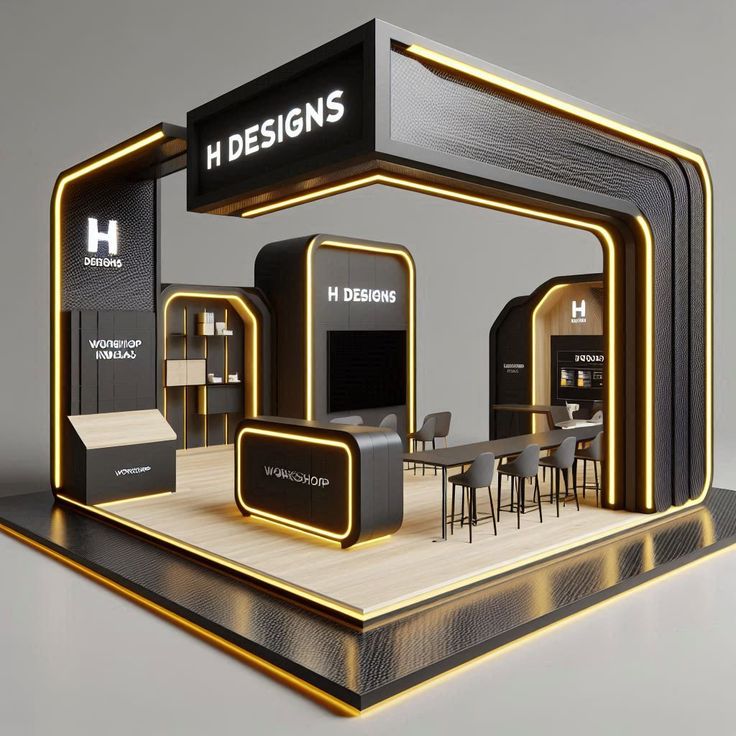
Your logo says who you are; it does not say what you do. Put what you make on the upper band of the stand, in one line, large enough to read from fifteen metres. A visitor has to recognise that you are relevant to them before they will come closer.
2. Do not block your open sides
Tall display cases, bar counters and panel walls placed on the frontage psychologically stop people. Keep the entry wide, and use a floor line or a carpet colour that invites people in.
3. Put real budget into lighting
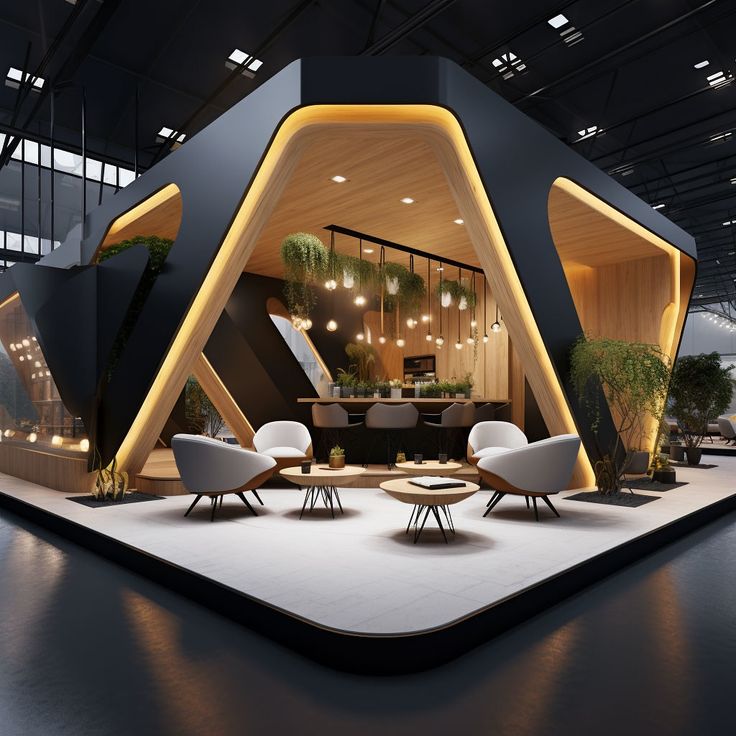
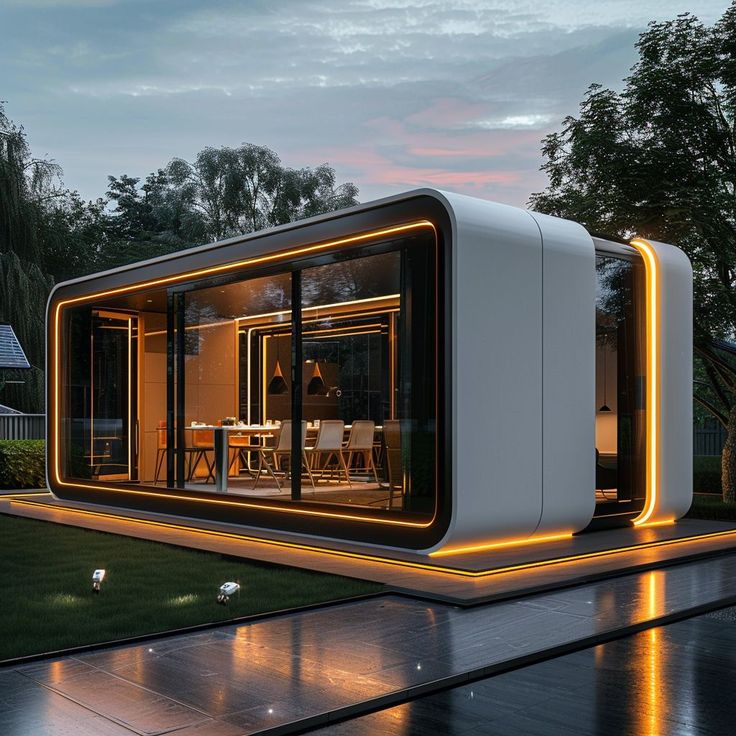
General hall lighting is flat and cold. A well-lit stand simply looks more alive than everything around it. Accent light falling on product and backlit surfaces are the highest-return investment you can make.
4. Raise or colour the floor
A platform or a differently coloured carpet makes the boundary of your stand visible and separates it from the hall. This one simple move lifts perceived quality noticeably.
5. Give meetings some privacy
Serious conversations do not happen standing up in a crowd. Set aside a seating area at the back of the stand, out of sight of the aisle and relatively quiet. The longer a conversation runs, the more likely it is to end in a quote.
6. Present product at touchable height
Whatever is on display should sit between 80 and 110 cm off the floor and be within reach. Product locked behind glass does not draw interest; product people can pick up is what they remember.
7. Leave space empty
Resist the urge to fill every surface. A wall left deliberately empty strengthens the single message on it. Even the most expensive stand looks cheap the moment it looks cluttered.